Creating a Cozy Sleep Sanctuary: Easy Wellness Wins with Your Bedding
Discover how texture, temperature, and organization transform a bedroom into a haven of rest. A wellness-forward guide through fabrics, routines, and focal points that nurture calmer nights and brighter days.
Nestlinens isn’t merely a storefront for sheets and blankets; it’s an invitation to curate a sanctuary where sleep becomes a daily ritual. The right bedding does more than cover you at night—it modulates temperature, supports posture, and subtly shapes mood. This piece expands on three practical ideas—the fabric you choose, the daily rhythms that maintain calm, and the visual and tactile cues that quiet visual noise—while weaving in the voices of notable thinkers across eras to remind us that comfort, like good design, is both timeless and personal.
Idea 1: Fabric as a Breathable Ally
Textiles do not merely clothe a bed; they actively influence how our bodies regulate heat and moisture through the night. Breathability and moisture management—traits that vary by material—play a pivotal role in sleep quality. Organic cotton, linen, and sateen each carry a distinct tactility and climate response, shaping a night’s comfort in ways we often notice only after the fact.
Naturepedic Organic Linen Sheets, for example, harness linen’s hollow fibers to wick moisture and promote airflow. In hot climates, linen helps keep the skin dry by drawing moisture away and allowing rapid evaporation. In cooler months, its natural insulating properties offer a weighted warmth that remains breathable rather than suffocating. The result is a stable microclimate that reduces night sweats and dampness, helping you fall asleep faster and stay asleep longer.
Organic cotton sheets, particularly those with a sateen weave, offer a different sensation: a smooth, slightly denser surface that still breathes well thanks to long-staple fibers. The 400-thread-count Naturepedic Organic Cotton Sateen Sheets provide a luxurious feel with a matte sheen and a drape that’s forgiving to a night of tossing and turning. Their moisture-wicking properties dampen the tendency to overheat, while the weave’s crispness keeps the sheet surface comfortable under a heavy comforter or quilt.
Key takeaways for fabric selection:
- Climate-fitting choices: linen for heat, cotton sateen for luxury with breathability, and cotton percale for a crisper, lighter touch in warm months.
- Look for certifications when possible: GOTS-certified organic fibers imply a chain of custody and lower chemical exposure.
- Consider layering: a breathable linen sheet under a lighter cotton or satin sheet can unlock flexible comfort across seasons.
Idea 2: A Simple Morning-to-Night Routine for Restful Space
Wellness in the bedroom is as much about ritual as it is about material choice. A deliberate routine—from wake to wind-down to weekly refresh—acts like a gentle soundtrack for sleep, keeping the space organized and purposefully calm. The goal is not sterile minimalism but an environment that fosters ease, reduces decision fatigue, and supports a restorative cadence.
Begin with a weekly refresh ritual that respects the integrity of your bedding. Wash pillowcases and duvet covers separately from other fabrics, following care instructions to preserve fabric integrity and color. Rotate or flip pillows to distribute wear evenly, and launder decorative shams or throws only as needed to avoid clutter that can distract the eye in a dimly lit room.
A practical morning routine helps reset the room’s energy. Open blinds to invite daylight, make the bed with the same care you reserve for a guest room, and place a small tray or tray-like surface to corral any nighttime essentials—eye mask, lotion, water bottle. This creates a visual cue that the space is a sanctuary, not merely a place to fall into and out of sleep.
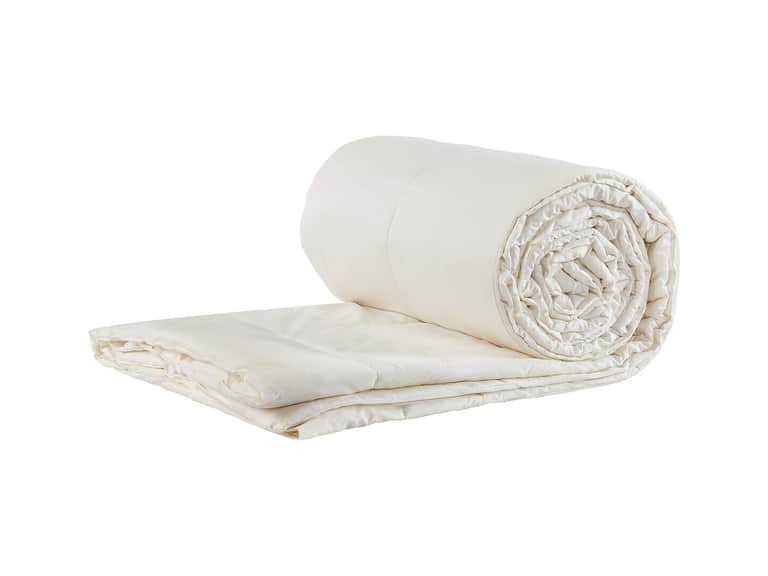
Seasonal layering is another component of wellness. In winter, a lightweight blanket can be layered beneath a duvet, providing warmth without bulk. In summer, you might swap a heavier duvet for a lighter comforter or duvet insert, allowing the room to breathe while maintaining a sense of coziness.
A note on pillows and warmth: the right pillow choice can transform neck and shoulder comfort, which in turn affects sleep quality. The Naturepedic Down Pillow, with its ethically sourced down and organic cotton cover, offers luxurious loft while maintaining breathability. For travel or on-the-go comfort, the Naturepedic Organic Cotton and Latex Travel Pillow provides compact support without sacrificing the feel of natural fibers. These options illustrate how pillow design interacts with a larger wellness narrative—comfort that travels with you, and comfort that returns you to rest when you’re home again.
Idea 3: Focused Textures and Color to Quiet the Eye
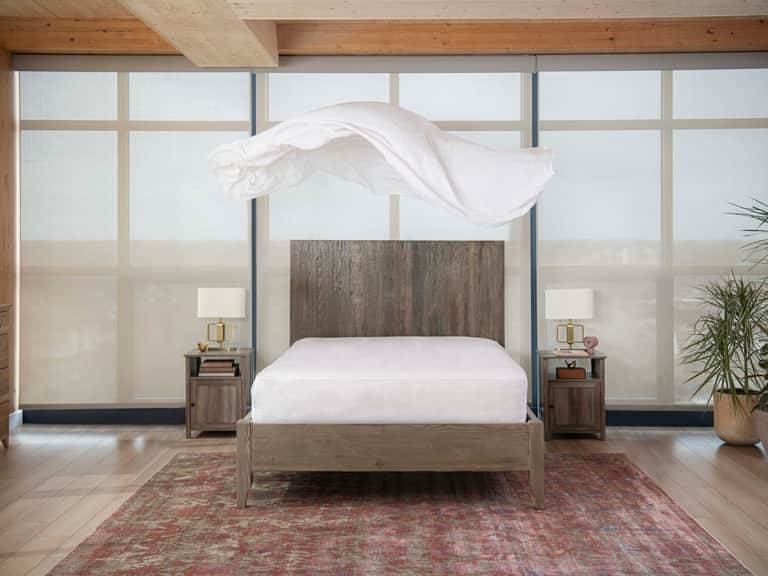
A sanctuary is a place where visual noise yields to texture and tone. The bed becomes a canvas for texture—linen’s matte weave, cotton sateen’s smooth sheen, and percale’s crispness—while color harmonizes with the room’s palette to foster a sense of repose. Think of the bed as a curated focal point rather than a collection of random elements: a limited color family, a mix of tactile fabrics, and a few high-quality pieces that endure through seasons.
The idea here is to layer subtly: a linen sheet set as a year-round ground with a duvet cover and shams in complementary tones, a lightweight throw for texture, and a small, quiet piece of decor that draws the eye away from clutter. The kit of parts is small but intentional, allowing the space to breathe and inviting the body to surrender to rest.
Consider a focal point strategy: choose one texture to highlight—such as a natural linen throw or a linen duvet cover with a refined weave—and keep the rest muted. The aim is to reduce visual noise while amplifying tactile pleasure. In this sense, the bed becomes not just a place to sleep but a curated experience—an anchor for the day’s end and the night’s beginning.
Three Timely Voices, Across Eras
Great writers and thinkers remind us that comfort is not merely physical but moral, aesthetic, and social. Here are three key individuals from different time periods whose ideas illuminate the art of living with warmth and intention in one’s home.
- Jane Austen (late 18th to early 19th century) — Austen’s keen eye for domestic life, social nuance, and the quiet rituals of daily living offers a template for how intimate spaces can reflect character and calm. In a world of noisy culture, her attention to the way a room invites conversation, or how a bed can be a haven after social exertion, still resonates as a guide to designing functional beauty—where comfort supports clarity of mind.
- Virginia Woolf (early to mid-20th century) — Woolf’s introspective prose and concept of continuity—how a room can be the stage for consciousness—invites readers to consider lighting, texture, and space as conduits for thought and rest. Her insistence on the interior life as a rich terrain aligns with the idea that the bedding and the bedroom are not mere containers of sleep but spaces that nurture attention, memory, and presence.
- Toni Morrison (late 20th century) — Morrison’s portrayal of warmth, community, and the intimate rituals of home as sources of resilience speaks to a wellness-centered bedroom that honors both personal history and future possibility. Her work invites us to view the bed as a site of healing and belonging, where textures and color carry memory and care, and where the act of settling into sleep becomes an act of grace.
These voices—though separated by centuries—share a throughline: the home, properly furnished and tended, is where we learn to endure, to forgive, and to dream. The bedding we choose is an instrument of that learning, a daily practice of warmth, texture, and rhythm that makes rest feel like a return rather than a retreat.
A Practical Shop Window: A Curated Set of Textiles
To translate the wellness philosophy into tangible choices, consider a small, curated kit drawn from a range of bedding essentials. Below is a suggested set that balances luxury, durability, and ecological mindfulness, anchored by a standout product from Naturepedic’s linen collection—a fabric that embodies breathability and environmental stewardship.
Naturepedic Organic Linen Sheets
A cornerstone for year-round comfort, these sheets are crafted from certified organic flax and stone-washed to offer a soft, breathable hand. Linen’s moisture management keeps you cool in summer and adds a weighted warmth in winter.
Key features: GOTS-certified, breathable, durable, and naturally temperature-regulating.
Naturepedic Organic Cotton Sateen Sheet Sets
A luxurious, four-over-one weave that feels smooth against the skin while retaining breathability. The 400-thread-count cotton sateen sheet set offers a quiet sheen and deep, soft drape that invite relaxation without heaviness.
Key features: Long-staple organic cotton, moisture-wicking, softening with every wash, 1-year warranty.
Notes: The bedding selections above reflect a wellness-forward approach—prioritizing fabrics that balance breathability, temperature regulation, and tactile comfort. Each piece is chosen for its potential to support healthier sleep environments and a calmer bedroom atmosphere.
Seasonal Layering: Practicality Without Clutter
Seasonal layering is a disciplined form of comfort. In spring and autumn, you can introduce a light throw or a duvet cover that harmonizes with the bedding’s color family. In winter, a heavier duvet or wool-filled comforter adds warmth without complicating the space. The objective is less about amassing textiles and more about creating a modular system that adapts to weather without producing visual noise.
Care plays a crucial role in sustaining the sanctuary. Best practices include washing pillowcases and duvet covers regularly (following fabric-specific instructions), rotating bedding to distribute wear, and avoiding excessive piles of decor that can disrupt the room’s balance. The goal is a space that feels as fresh and inviting as a kept-up hotel suite, but with the warmth and personality of a home you love.
Closing Reflection: Comfort as a Habit, Not a Luxury
Wellness is a discipline of small, reliable decisions. The right bedding is a daily scaffolding for well-being, a soft infrastructure that makes nightly rest sustainable and restorative. By choosing fabrics that breathe, arranging routines that honor your circadian rhythm, and curating textures and colors that quiet the eye, you sculpt a sleep space that resonates with everyday health and long-evolving happiness.
If there is a single takeaway, it is this: comfort exists at the intersection of material quality, mindful routine, and aesthetic restraint. The nest you build for sleep is not a fortress against the world but a sanctuary that invites you to return, again and again, to a better, more rested self.
Image Notes and Product Display
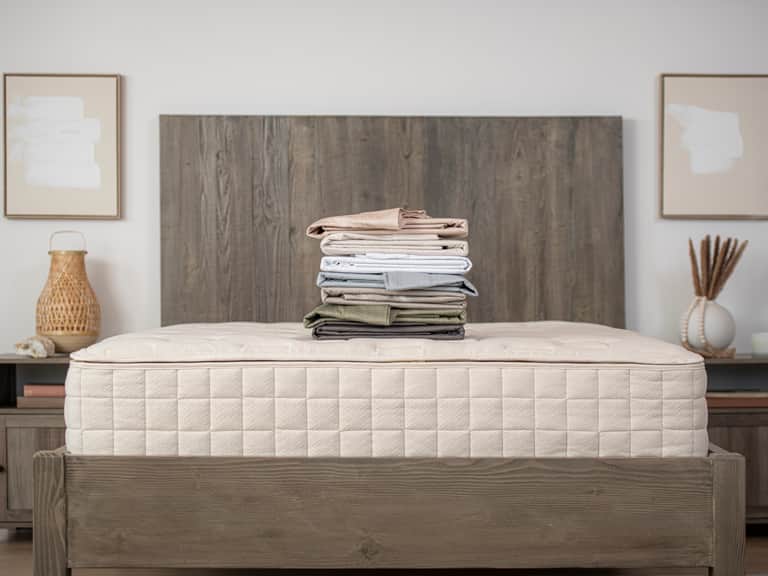
Images are provided for the selected products to illustrate texture and fabric quality. The Naturepedic Organic Linen Sheets highlight linen’s natural texture, while the Naturepedic Organic Cotton Sateen Sheets showcase the luxurious drape of a high-thread-count sateen. For reference, here are two representative visuals from the product lineup:


Images illustrate fabric texture: linen’s natural irregularity and sateen’s smooth, luminous surface. Availability and appearance may vary by color and batch.
Further Reading and Engagement
If you’re curious to deepen the wellness conversation beyond textiles, explore related topics like sleep architecture, circadian lighting, and mindful nesting. Consider experimenting with a single change at a time—begin with the bedding, observe how sleep quality shifts over two weeks, then layer in a small decor tweak that supports a calm, cozy mood.
Readers are invited to share their own routines and textures. The most resonant ideas often come from lived experience—how linen feels on a summer night, how a wool comforter behaves in a cold bedroom, or how a simple ritual on Tuesday can make Friday feel more restful.