Choosing Linens for Sensitive Skin: A Practical Guide to Breathable Bedding
A careful, research-driven look at fabrics, certifications, and care practices that honor comfort, health, and longevity in the bedroom.
Understanding the fiber fundamentals
Sensitive skin benefits from fibers that breathe, wick moisture, and minimize irritation. In the pantheon of bedding fabrics, natural fibers like linen and organic cotton stand out for their skin-friendliness and their low-impact finishing processes. Linen, sourced from flax, has a long history in human repose and domestic comfort. Its natural structure contributes to air flow, heat dissipation, and a dry feel that can reduce discomfort for sleepers prone to irritation or sweating. Organic cotton, equally familiar to households, follows stringent cultivation practices that limit chemical exposure, yielding a fabric that is gentle against the skin and forgiving with regular laundering.
To the reader with sensitive skin, the choice of fiber is not merely about feel. It is about the entire life cycle of the textile—from farm to finished sheet. The breathability of linen, the purity of organic certifications, and the absence of harsh dyes all converge to minimize irritants that can wake us at night.
Beyond personal comfort, fabric selection intersects with sleep health. Breathable fabrics regulate ambient microclimates and support consistent skin hydration, reducing itchiness or rash that can accompany closeness to non-breathable textiles. The science of sleep is intertwined with textiles; temperature regulation, moisture management, and skin-friendly finishes all contribute to a more restful night.
Key materials: linen, cotton percale, and silk
Three materials frequently appear in conversations about sensitive skin: linen, cotton percale, and silk. Each brings a distinct combination of breathability, texture, care requirements, and skin-sensitivity considerations.
- Linen: Linen’s hollow fibers create generous air circulation and moisture management that helps keep skin drier during warm nights. It adapts with every wash, often softening while maintaining a crisp, breathable hand. For sleepers with irritation or eczema, linen’s natural antifungal tendencies and reduced buildup of irritants make it a compelling option. Consider organic linen when possible, and seek GOTS or Belgian Linen labels to verify standards.
- Cotton percale: Percale offers a crisp, breathable weave that wears well with regular laundering. Long-staple cotton contributes to a smoother surface and less pilling, which can be gentler on sensitive skin. A tall emphasis on thread count should be balanced with weave quality; a very high thread count does not automatically equate to better breathability.
- Silk: Silk is naturally hypoallergenic and has low friction against skin and hair. It carries a luxurious hand and can be a comfort ally for those with skin sensitivities, though care and maintenance can be more involved than cotton or linen.
Certifications to look for: reading the label with care
Labels encase a promise of responsible farming, manufacturing, and finishing. When skin is sensitive, certifications become a practical compass.
- GOTS (Global Organic Textile Standard): This certification governs organic fiber production, processing, and finishing. It reduces exposure to hazardous chemicals and dyes, which is particularly relevant for skin sensitivities.
- Belgian Linen label: Indicates linen fabrics woven in Belgium with European flax, signifying a high standard of purity and textile heritage.
- Other reputable certifications: Look for mill certifications, COA documentation, and any country-specific organic labeling that confirms minimal chemical use and safety for sensitive skin.
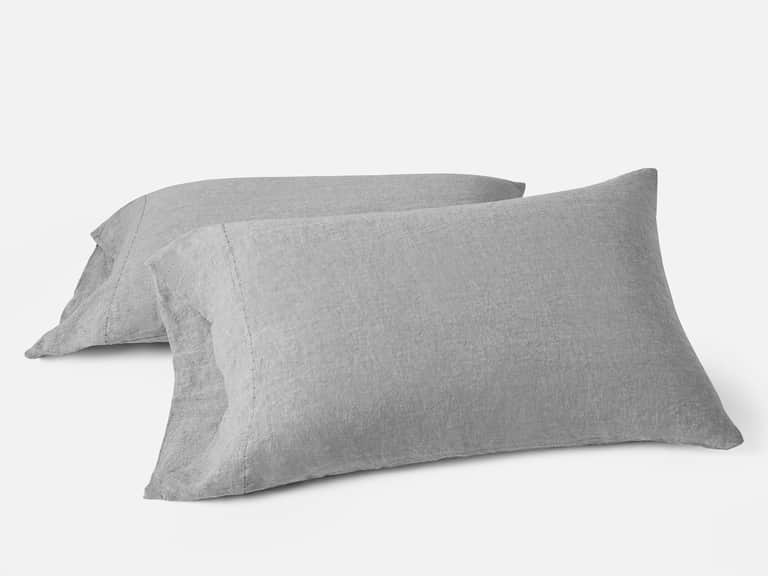
The harmonization of these certifications with transparent product information empowers shoppers to select bedding that aligns with both comfort and health priorities. For example, Organic Relaxed Linen Pillowcases, woven from French flax and finished with plant-based softeners, demonstrate how a strong certification profile accompanies a relaxed, skin-friendly hand.
Practical guidelines: selecting and testing bedding for sensitive skin
A practical approach combines reading labels, verifying certifications, and assessing surface texture and washing durability. Here is a concise framework to guide your decision-making.
- Prioritize natural fibers (linen, cotton) over synthetic blends for sensitive skin.
- Choose fabrics with certifications (GOTS, Belgian Linen label) and look for low-impact or plant-based finishes to minimize chemical exposure.
- Evaluate weave and surface texture. A smoother surface may reduce friction on the skin, but a slightly textured weave can aid moisture management. Personal preference matters; test a sample if possible.
- Consider garment-washed or stone-washed linens for a softer feel that still maintains breathability. Finishes should be plant-based or water-based where possible.
- Match sheets and pillowcases with similar care requirements to avoid disparities in wash cycles that could degrade the fabric or irritate skin.
A reader-ready checklist for bedding shopping
- Fiber: Linen or organic cotton, preferably GOTS-certified.
- Finish: Plant-based softeners are gentler on skin; avoid finishes with harsh chemicals.
- Weave and feel: Test for breathability and friction; feel the surface against your skin.
- Care compatibility: Laundering should be feasible with regular household machines and mild detergents.
- Allergens and sensitivities: If allergies exist, consider hypoallergenic options and ensure easy washing to remove any residual irritants.
Editorial perspective: voices across time on breathable comfort
Bed linens do more than clothe a bed; they cradle the patient, soothe the senses, and anchor a nightly ritual that echoes across generations. Three notable voices—spanning different eras—offer a lens on the enduring relationship between fabrics, health, and daily life.
Ancient to Renaissance: The quiet authority of linen
Linen, used since antiquity, carried connotations of purity, resilience, and daily ritual. In the European textile tradition, linen’s breathability and moisture management were valued for warm climates and labor-intensive lifestyles. The Renaissance era revered textile mastery, a lineage that informs today’s insistence on durable, breathable linens with a raw, natural beauty.
Industrial to modern: The science of comfort
The 19th and 20th centuries saw a shift toward machine-led weaving, standardized threads, and the rise of cotton’s popularity. Modern sleep science, with its emphasis on skin health and microclimates, has redirected focus toward textiles that support a cooler, more even sleep environment—often achieved through breathability, moisture transport, and thoughtful finishes.
Contemporary voice: wellness by design
Today, textile selection integrates certifications, sustainability, and skin-sensitivity research. The layering of health-aware choices—organic fibers, low-impact finishes, and transparent labeling—creates sleep environments that honor both comfort and the planet. The Nest Linens ideal aligns with a mindful approach: simple, breathable, and reliable textures that calm the body before sleep.
Product spotlight: Linen elegance meets everyday practicality
This practical guide celebrates textiles that align with sensitivity and comfort. Among the curated items, the Filetto Napkins—crafted from 100% linen with a hand thread drawn hemstitch—embody the same ethos of refined durability that informs bedding. While napkins serve the dining table, their craft echoes a philosophy of linen: durable, breathable, and built to endure. The napkins’ Lithuanian origin underscores a European textile tradition that values precision and long-lasting quality.
In the bedroom, fabrics like Organic Relaxed Linen Pillowcases from Coyuchi—GOTS-certified and woven from French flax in Portugal—illustrate how modern sensibilities meet age-old craft. The relaxed finish and pick-stitched cuffs blend a calm aesthetic with tactile comfort, a fitting counterpart to the sleep environment described in this guide.
Filetto Napkins (Linen) — 4012
A refined linen napkin with a contrast-color border and hand thread drawn hemstitch. While designed for formal table settings, its craftsmanship mirrors the attention to finish that we seek in bedding fabrics.
Origin: Lithuania
Care: Machine wash cold, gentle cycle; line dry or tumble dry low; do not bleach or use fabric softener.
Organic Relaxed Linen Pillowcases — 3836
Two pillowcases crafted from 100% organic flax linen with a relaxed hand, woven in Portugal and certified by GOTS. Pick-stitched cuffs offer subtle detail and durable wear.
Origin: France/Portugal
Care: Machine wash cold; tumble dry low; remove promptly.
Organic Relaxed Linen Sheet Set — 3900
100% organic flax linen woven in Portugal, with a 15" deep-pocket fitted sheet and cuffs finished with pick stitching. GOTS-certified and designed for year-round comfort.
Care: Cold wash; tumble dry low; warm iron if desired.
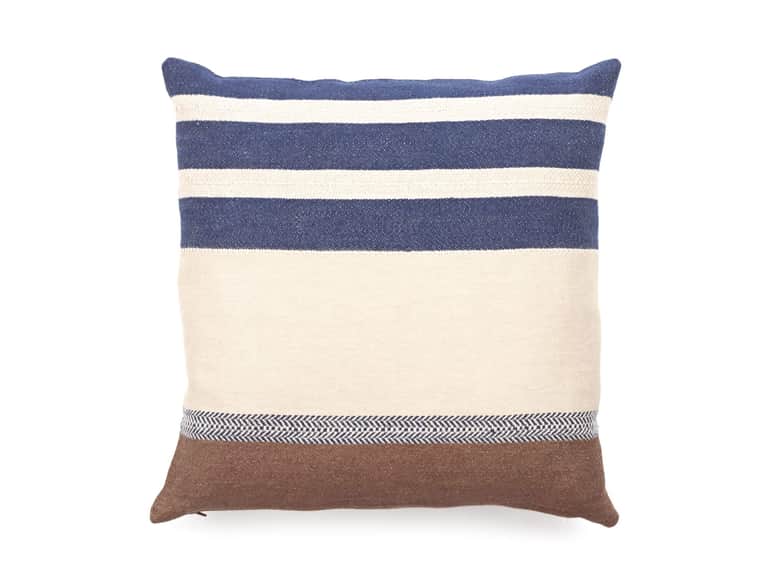
Marina Stripe Pillow Cover — 5233
Linen pillow cover highlighting the natural texture of linen with an enduring, easy-care finish. A versatile accent that complements bedding ensembles built around breathable textures.
Origin: Belgium (Libeco)
Care: Unfold completely; wash at max 40°C; line dry or tumble dry on medium; iron while slightly damp.
A closing note on bedding for sensitive skin
The bed is a sanctum where daily stress dissolves into rest. For those who carry sensitivity, choosing linens with an emphasis on breathability, gentle finishes, and certified organic fibers is an act of care that compounds into better sleep, clearer mornings, and longer physical well-being. The fabrics discussed here—linen and organic cotton, in particular—have stood the test of time as reliable allies in creating environments that feel safe, calm, and inviting each night.
As you explore bedding, let the interplay of fiber, weave, and certification guide your choices. A well-made sheet is more than a surface; it is a partner in healing, a quiet frame for the rituals of sleep, and a testament to the enduring value of craftsmanship.